Zhejiang Robot Industry Association
Zhejiang University Robotics Institute
Golden Conference & Exhibition Group
Hangzhou Wisdom Source Exhibition Co., Ltd.
Hangzhou Sequoia Exhibition Co., Ltd.
Ningbo Magnetic Materials Association
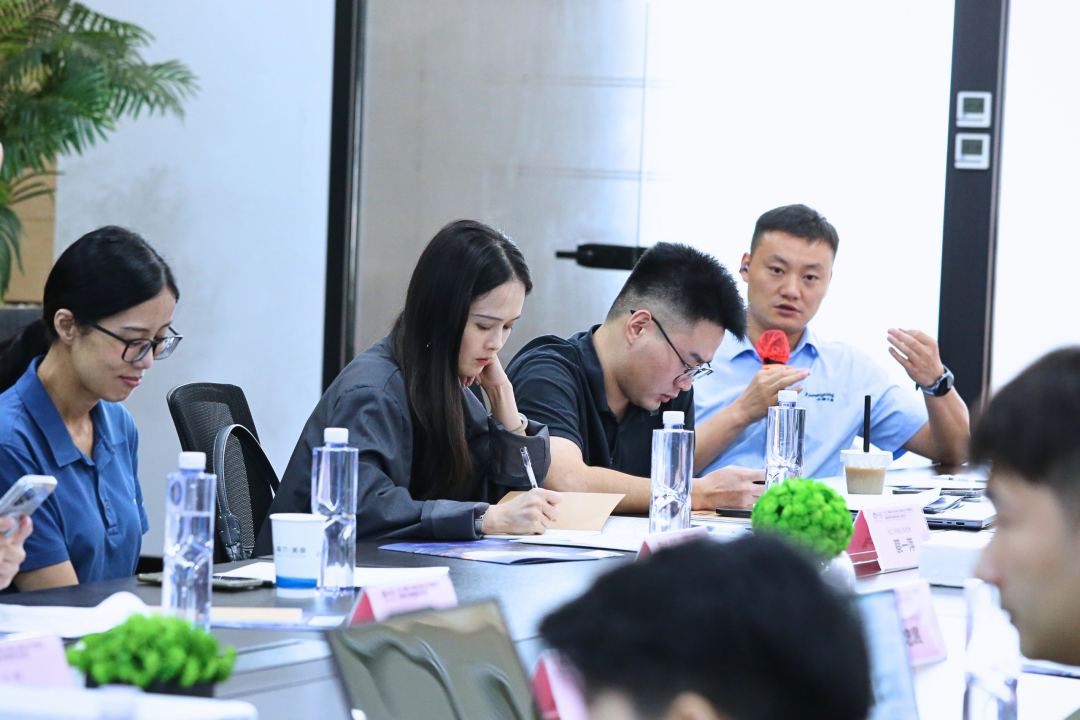
As the humanoid robot industry moves from the laboratory to various industries, and from mass production of thousands of units to the scale of millions of units, a sector-wide brainstorming session focusing on the practical application capabilities in real scenarios has been initiated on the banks of the Huangpu River. On the afternoon of September 20th, the "Embodied Robot Application Seminar" was held at Shanghai Pudong Senlan Meihuan - Garden Magic Cube. Sixteen representatives from the core links of the industry chain, including the application end, the complete machine body, and the model capabilities, gathered together to conduct in-depth discussions on core topics such as the generalization ability of the robot body, shortening the production cycle through simulation models, the collaboration between the brain and the body, and the integration of secondary development. The aim is to break through the "last mile" from technological breakthrough to large-scale application of embodied intelligence.
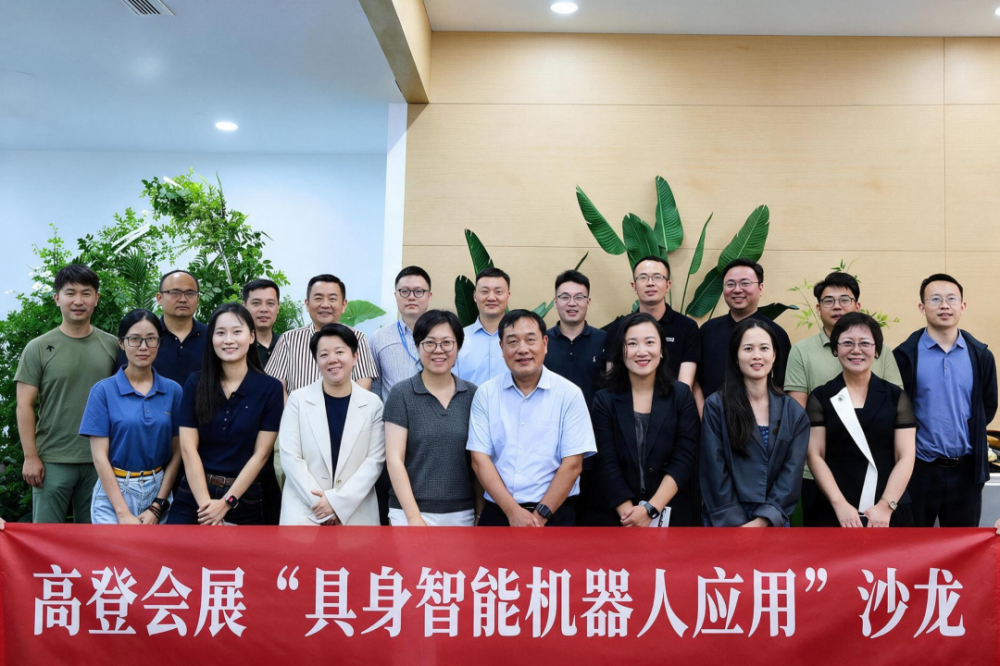
In 2026, the humanoid robot industry in China will enter a critical stage of large-scale production and accelerated commercialization. In the first half of the year, the shipment of humanoid robots in China exceeded 40,000 units, accounting for as high as 97% of the global market share. At the same time, the first heterogeneous humanoid robot training ground in the country has been officially launched in Shanghai. Algorithm optimization, hardware upgrades, simulation platforms and data collection have continued to make breakthroughs, laying a solid foundation for the iterative upgrading of the industry. Shanghai has clearly stated that by 2027, the core industry of embodied intelligence will exceed 50 billion yuan in scale, 100 major innovative application scenarios will be implemented, and 100,000 robots will be introduced to factories. The Pudong Zhangjiang Robot Valley has gathered over 40 enterprises related to humanoid robots, and a number of functional innovation platforms such as the ABB Robot Empowerment Center, the Shanghai Robot Industry Technology Research Institute Innovation Center, and the Bionic Robot Laboratory have all moved in. The local supply rate of core components is close to 90%, and the leading position of the Yangtze River Delta region in the humanoid robot industry has been continuously consolidated. However, from tens of thousands to millions of units of production, the industry still faces core technical bottlenecks. The industry's focus has shifted from dazzling demonstrations to the ability to implement in real scenarios. The cost of obtaining high-quality real data is high, the physical cognition and multi-modal perception capabilities are insufficient, there is a lack of unified evaluation standards, the safety and compliance threshold has increased, and the migration problem from simulation to real environments has become a key bottleneck restricting large-scale application.
This salon was themed "How to Break Through the Obstacles in Expanding Ontological Generalization Capabilities and Shortening the Application Cycle of Simulation Models for Industrial Applications". It brought together terminal application enterprises such as the China Industrial Cooperation Association Green Industrial Energy Saving Branch, Zhejiang Zhongyang Liuku Technology Co., Ltd., Yanfeng International Automotive Technology Co., Ltd., Roche Pharmaceuticals, Hangzhou China-US Huadong Pharmaceutical Jiangdong Co., Ltd., and leading enterprises in ontology and model capabilities such as Shanghai Antai Lingbo Technology Co., Ltd., Person-shaped Robot (Shanghai) Co., Ltd., Shenzhen Juji Power Technology Co., Ltd., Hualin Technology Co., Ltd., Shanghai Taied Technology Co., Ltd., and Lingxin Qiaoshou (Shanghai) Technology Co., Ltd. for a dialogue on the same stage.
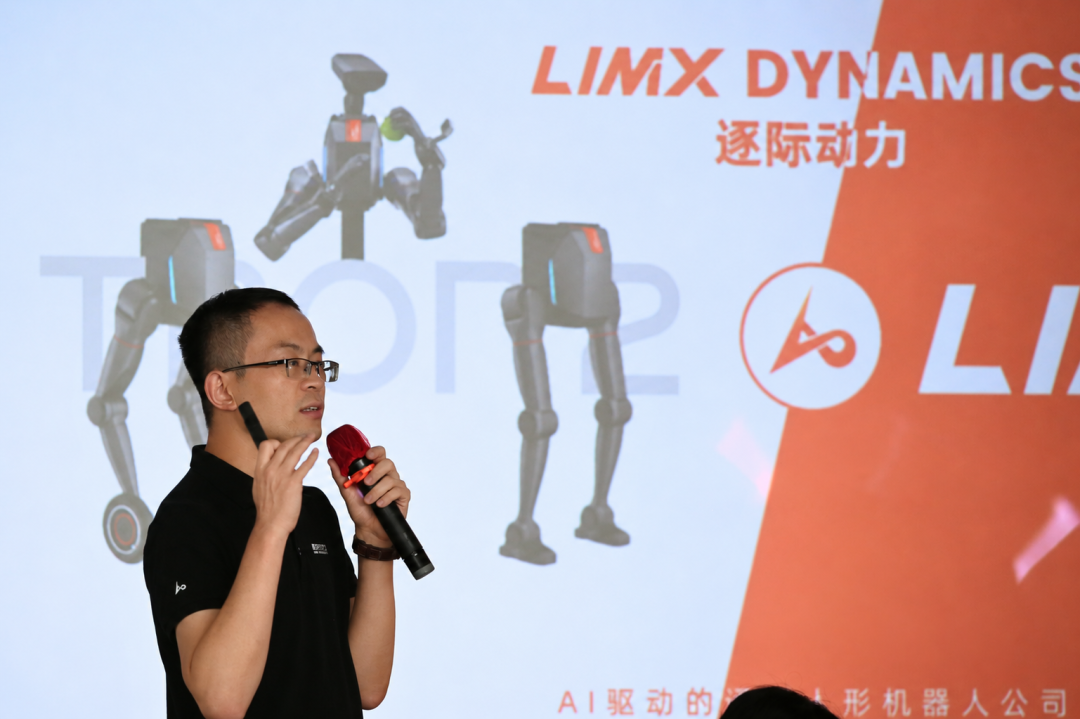
Song Xiang, Business Development Director of Shenzhen Juji Power Technology Co., Ltd.
Song Xiang, the Director of Business Expansion of Shenzhen Juji Power Technology Co., Ltd., delivered a keynote presentation, detailing the full-scale humanoid robot created by LimX Dynamics. The robot features a modular multi-form capability that supports combinations such as bipedal, wheeled-footed, and arm-based structures, especially for scenarios like positioning inspection and logistics delivery. Additionally, it has derived innovative products including the multi-form TRON (TRON 1 and TRON 2). Its disruptive innovation revolves around three core technologies: the design and manufacturing of the body hardware, the brain-computer integration technology, and the embodied intelligent agent OS system. It unlocks the generalized capabilities of AGI in the physical world. It continuously drives technological innovation, development, and wide application of embodied intelligence in fields such as research, manufacturing, business, and family. The flexible body form of the TRON series is suitable for various working environments, and its outstanding chassis stability performance and working efficiency have received unanimous praise and cooperation expectations from the attending guests.
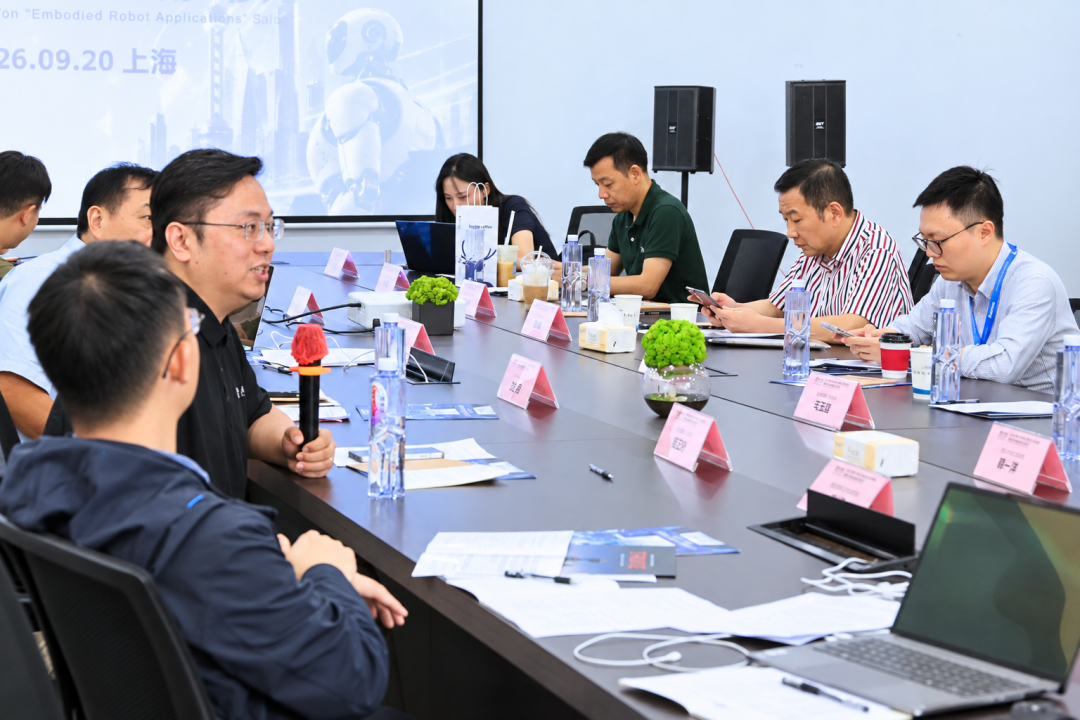
During the free discussion session, representatives from application sides such as Zhejiang Zhongyang Liuku Technology, Yanfeng International Automotive Technology, China-US Huadong Pharmaceutical, and Roche Pharmaceuticals, as well as participants from the intelligent construction industry, intelligent warehousing, and pharmaceutical manufacturing industries, raised questions that directly pointed to the pain points:
Problems such as insufficient product endurance and durability, complexity of multi-machine cluster scheduling, difficulties in system integration and data connection, high initial investment in the hardware of the body, difficulty in matching the execution rhythm of tasks with the production line's throughput efficiency, and insufficient perception and operation accuracy in complex working conditions. The proposal to implement embodied robots in the manufacturing industry faces multiple technical and commercial bottlenecks: The high initial investment in the hardware of the body, with a large one-time investment, restricts large-scale deployment. During on-site operations, the execution rhythm of robot tasks is difficult to match the original throughput efficiency of the production line, unable to meet the requirements for production continuity. At the same time, in complex working conditions, the perception and operation accuracy is insufficient, and for non-structured and variable on-site materials, the stability of actions such as grasping and assembly is limited. The combination of these problems makes embodied robots difficult to directly connect to existing production lines, prolonging the verification period for implementation.
In response to the prominent issues raised by the application end, the supply end conducted a detailed analysis of the technical development path at the hardware core and motion cerebellum levels. Currently, the prices of core components such as chips, storage, motors and modules have continued to rise. Solutions are needed for the semi-structured environment in industrial scenarios, dynamic changes in working conditions, and the strong coupling of operation objects. In the intelligent warehousing operation chain, the six key links of inbound, storage, picking, packaging, outbound, and auxiliary operations are deeply discussed regarding the technical penetration capability and maturity of embodied robots. Under the GXP system for pharmaceuticals, tablet pressing, filling, automatic material weighing, transportation, online detection; raw material drug on-site feeding, intelligent systems and environmental cleaning; aseptic environment operation, continuous data analysis and transmission; implementation of high-risk construction work in construction sites, site inspection, and intelligent construction fields where humanoid robots have not been used, and subsequent measures were explored through a lively brainstorming session.
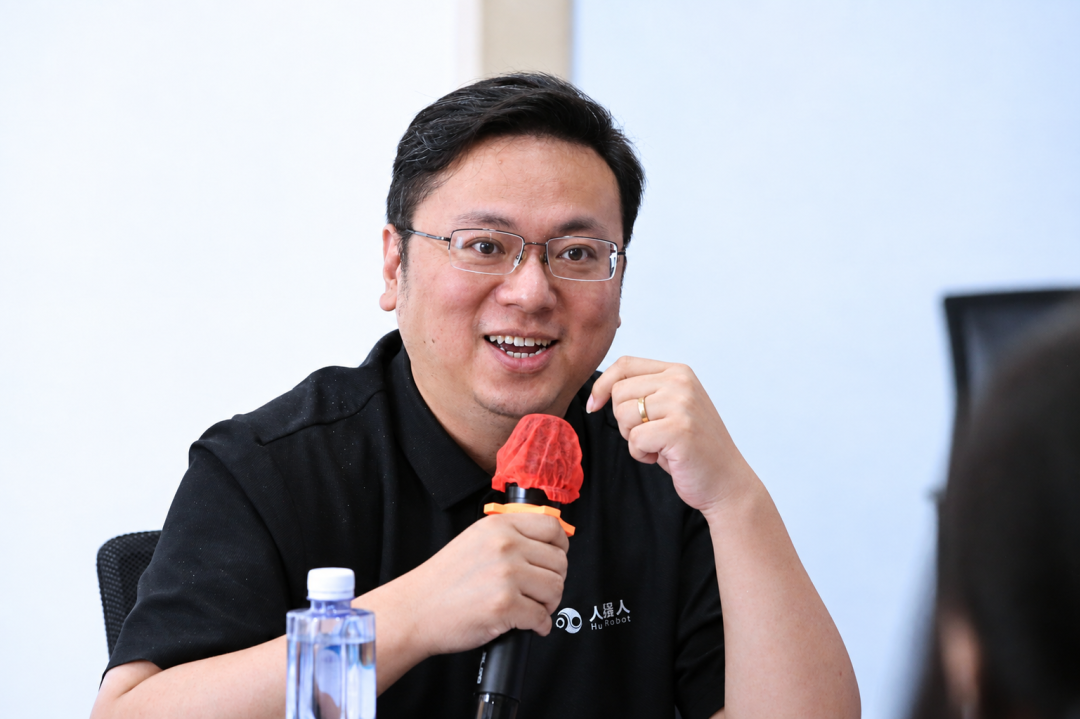
Yang Zhengye, Director of the Market System of Humanoid Robot (Shanghai) Co., Ltd.
Yang Zhengye, the Director of the Market System of Humanoid Robot (Shanghai) Co., Ltd., introduced the role positioning of Shanghai Humanoid as the first national-local jointly established humanoid robot innovation center in China and its historical mission in this physical AI revolution. In the context of the future where embodied intelligence becomes a pillar industry, Humanoid Robot (Shanghai) Co., Ltd. will become a pillar company in this round of industrial revolution and play a key role in empowering industry development. It has already formed a mature development system throughout the entire chain of "product research and development - technological innovation - scenario application - market expansion - ecosystem construction". It is expected to take "the body" as the entry point, drive the "brain" with the "body", and create a body that is highly compatible with large model enterprises. The industry is still in the early stage of rapid development and lacks standards for the body and models. The infrastructure such as "computing power" needs to be improved and developed. Enterprises need machines to have the capabilities of judgment, recognition, decision-making, and execution to achieve intelligence, but it is not necessarily necessary for robots to be humanoid. However, studying humanoid robots can help us understand where the boundaries are, and "passive body" can solve the problem of people working in space. The simulation model has its positive significance, but it needs to overcome the unpredictable changes in the physical world and replicate them proportionally in the simulation model. The future vision is the "brain-machine" + "sensing" path, making robots become our another body. Sharing the current technological progress and outlook of the industry in the manufacturing field.
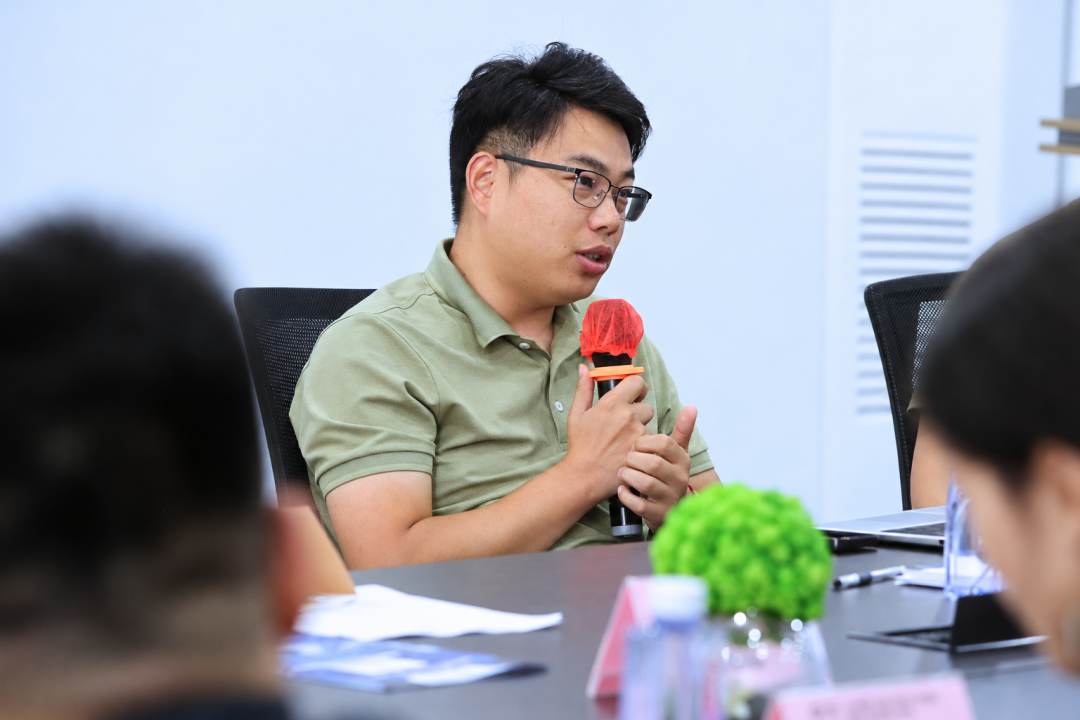
Gao Jian, CEO of Shanghai Tiedai Technology Co., Ltd.
Gao Jian, the CEO of Shanghai Tiedi Technology Co., Ltd., shared his profound product management insights regarding the company's main product, AiME, a four-wheel all-terrain intelligent companion robot, which is a embodied intelligent mobile sensing platform designed for high-risk industrial scenarios. It transforms the inspection process from human risk-taking to machine exploration + proactive handling + human verification. The product has six core capabilities: AI (VLM/VLA decision-making + multi-modal perception), flexibility (crab-like movement + on-site turning), off-road capability (280mm ground clearance + 40% steep slope), endurance (8-hour battery life + semi-solid battery), load capacity (1:3 loading ratio + towing 175kg), and sustainability (universal interface + open API). It focuses on wheeled all-terrain robots and linear power joint modules. The aim is to solve the reliable movement problems under heavy loads, long battery life, and complex road conditions, and to address the motor overheating issue at the physical level.
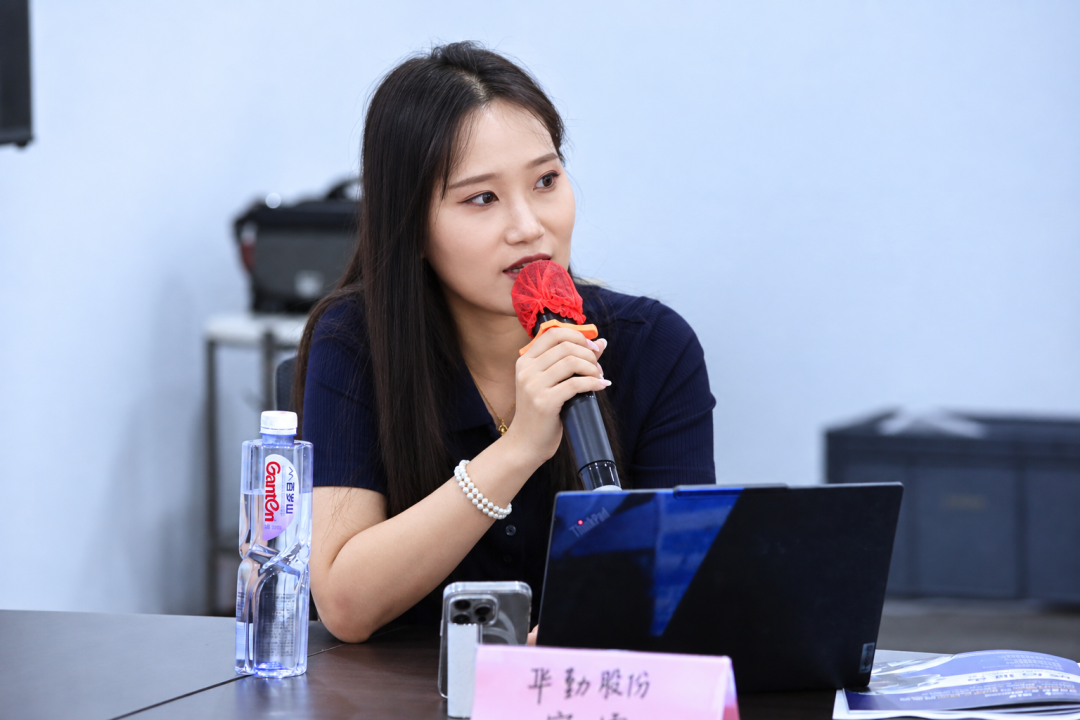
An Nan, Market Manager of Huaiqin Technology Co., Ltd.
An Nan, the marketing manager of Huaqin Technology Co., Ltd., introduced that Huaqin is a global leading ODM company for intelligent hardware. Its main business includes research and manufacturing of mobile phones, laptops, servers, AIoT, automotive electronics, etc. The company ranks first in the global market for ODM of smartphones and tablets, and is expanding its AI and physical business. Huaqin's software has evolved from providing basic compatibility for hardware in the early days to now deeply integrating into multiple scenarios such as intelligent cabins, the Internet of Things, AI applications, and robots. It has established 14 software research and evaluation centers worldwide, building a full-stack software capability covering system optimization at the bottom layer, middleware development, and upper-layer application scenarios. In software systems related to communication systems, AI computing platforms, and remote control vision, it has the ability to collect data and provide end-to-end physical intelligent robot solutions for various leading brands in the industry.
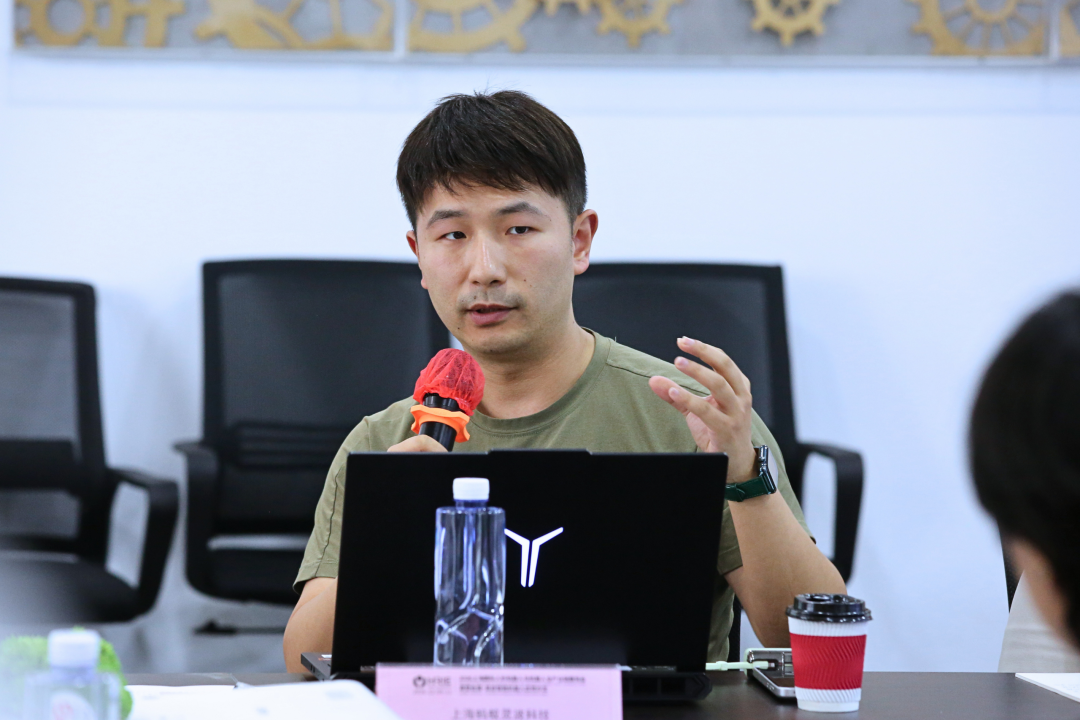
Wang Yufei, Business Development Expert of Shanghai Ant Lingbo Technology Co., Ltd.
Wang Yufei, a business development expert from Shanghai Ant Lingbo Technology Co., Ltd., introduced that Ant Lingbo is a embodied intelligence company under Ant Group, focusing on "general-purpose robot brain". In July 2026, it released six Ling Bot models: Vision 2.0, Depth 2.0, VLA 2.0, World 2.0, Video, and VA 2.0, covering spatial perception, cross-type operation, world model, world action, and embodied video. He shared how to truly transform the upstream various scene data into enhancing the generalization ability of robots in scenarios. It is currently working on creating data standards, tactile data, and pre-training with Ego-centric perspective to improve the Zero-shot ability of the model, and shared recent application experiences in industry and commerce; adhering to an open ecosystem to empower the entire industry chain, allowing robots to be implemented at a relatively low cost.
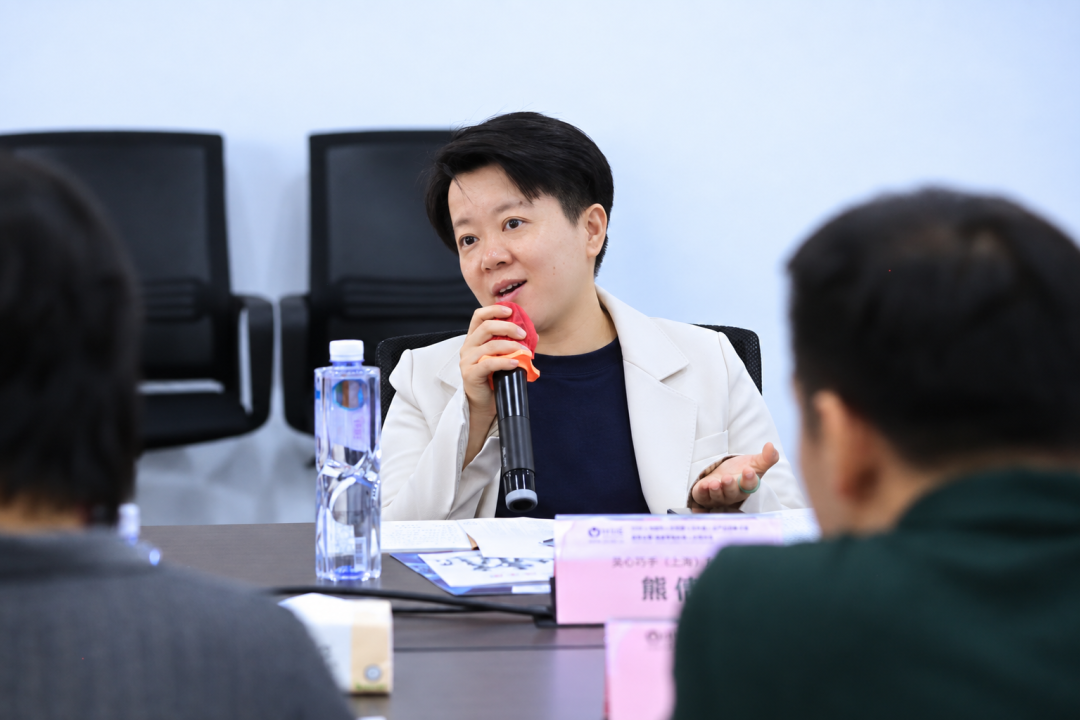
Xiong Qian, Director of Key Account Sales, Lingxin Qiaoshou (Shanghai) Technology Co., Ltd.
Xiong Qian, the Director of Key Account Sales of Lingxin Qiaoshou (Shanghai) Technology Co., Ltd., introduced the Lingxin Qiaoshou Linker bot. This is a global leader in dexterous hands with the mission of "creating everything". It covers all three major mainstream technical routes of tendon cables, link rods, and direct drive, and has launched Linker Hand series of dexterous hands, data acquisition systems, and Lingxin Creation Large Model, etc., as well as dexterous operation software and hardware products. It has deeply cultivated the underlying infrastructure of embodied intelligence and created a full-chain industrialization capability covering core component self-innovation, large-scale production, intelligent algorithm iteration, and multi-scenario implementation. It has mechanical hands that are compatible with most humanoid robot bodies, ranging from low degrees of freedom to high degrees of freedom, and from less than a thousand yuan to over ten thousand yuan to meet the different needs of customers.
Regarding the industry-wide phenomena such as a shortage of professional talents, slow production delivery, excessive form over content, exaggerated PPT and video presentations, excessive performance over actuality, excessive capital speculation, etc., the organizers hope that all the guests attending the event will adopt a down-to-earth mindset, cherish every customer, and help enterprises navigate through every scenario. Overcome limitations of funds, venues and personnel, seek diverse cooperation models. Make embodied and humanoid robots truly become a marketable choice. Make them affordable and reliable assistants for small and medium-sized enterprises, capable of replacing human beings. In the near future, make embodied and humanoid robots truly become general robots and enter millions of households.
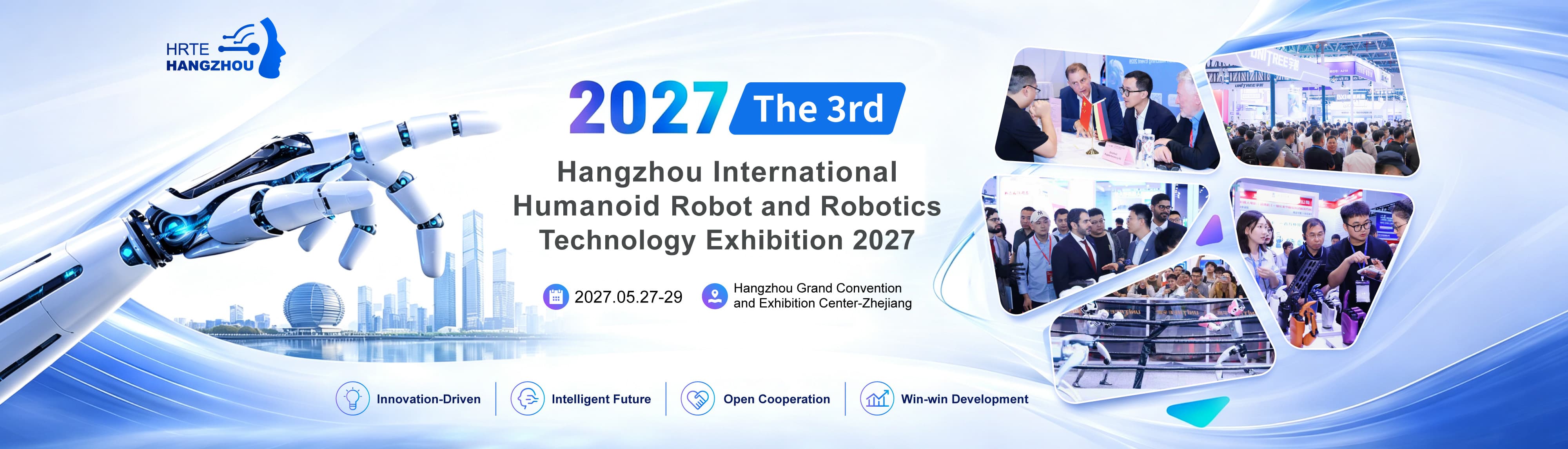
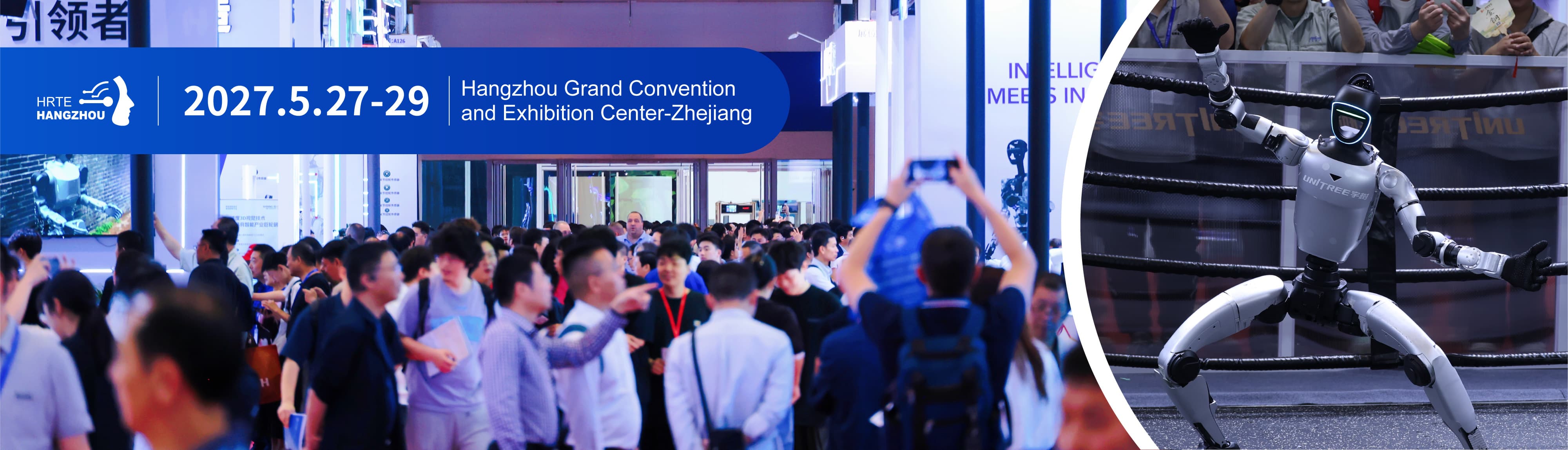
Finally, the organizer, Golden Exhibition, initiated the establishment of the "Embodied Intelligent Humanoid Robot Innovation Alliance Initiative", aiming to establish a long-term supply-demand communication mechanism. Leveraging its platform, resources, government-enterprise cooperation and operational advantages, it provides services covering seven core contents for the entire industry: technology and product export; solving investment and financing pain points; common technology research and development; industry standard formulation; pilot testing and verification platform establishment; technology transfer; and education-industry integration talent cultivation. It also provided the attending guests with a detailed introduction to the exhibition registration progress of the 3rd Hangzhou International Humanoid Robot and Robot Technology Exhibition to be held at the Hangzhou Exhibition Center on May 27-29, 2027. At the exhibition site, overseas purchasing groups will be provided with trade matchmaking. It will fully empower enterprises and accelerate the AGI process of the industry.
The salon came to an end in a lively atmosphere, and all the guests were still full of enthusiasm. We hope that the organizers will organize more such specialized salon events that focus on specific industries in addition to the exhibition. We look forward to meeting again at the HRTE exhibition site in Hangzhou on May 27-29, 2027.
The Golden Exhibition Group, leveraging its successful hosting of two humanoid robot exhibitions, is now striving to establish a 365-day service for connecting industry trade demands in the field of embodied and humanoid robots. The 2027 Third Hangzhou International Humanoid Robot and Robot Technology Exhibition (referred to as HRTE), organized by Golden Exhibitions, will be grandly held at the Hangzhou Convention and Exhibition Center from May 27th to 29th, 2027. The exhibition area will reach 30,000 square meters, gathering top humanoid robot enterprises worldwide and showcasing the innovative achievements and application scenarios from core components to complete machines in the entire industrial chain. This salon, as an important pre-event activity of the exhibition, has laid a solid foundation for the supply-demand connection of the event.
From the ability to run and jump to the ability to think and act, the evolution of embodied intelligence requires the collaborative efforts of all links in the industrial chain. As the participants in the event pointed out, when policy benefits, technological breakthroughs, and real-world demand resonate with each other, the humanoid robot industry in China is standing on the eve of a massive application explosion. This salon on the Huangpu River might just be a crucial piece of the puzzle leading from tens of thousands to millions of units of mass production.