
Zhejiang Robot Industry Association
Zhejiang University Robotics Institute
Golden Conference & Exhibition Group
Hangzhou Wisdom Source Exhibition Co., Ltd.
Hangzhou Sequoia Exhibition Co., Ltd.
Ningbo Magnetic Materials Association
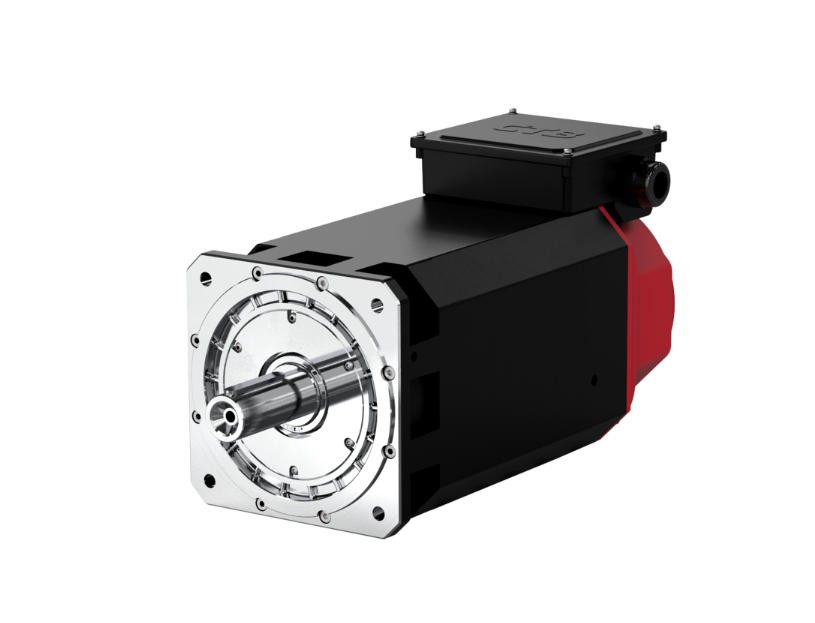
Shanghai, July 20, 2026 — At the H3 Embodied Intelligence Hall of WAIC 2026, upstream core component manufacturers made their first large-scale collective appearance. Dozens of servo and transmission companies including Inovance, Leadshine, Fuxing Motor, Kinco, and VEICHI showcased comprehensive product matrices ranging from integrated joint modules and micro servo electric cylinders to frameless torque motors. Evolving from discrete components to highly integrated solutions, domestic servo systems are driving cost reduction and performance improvement in humanoid robot joints — becoming the critical underlying force enabling mass production deployment.
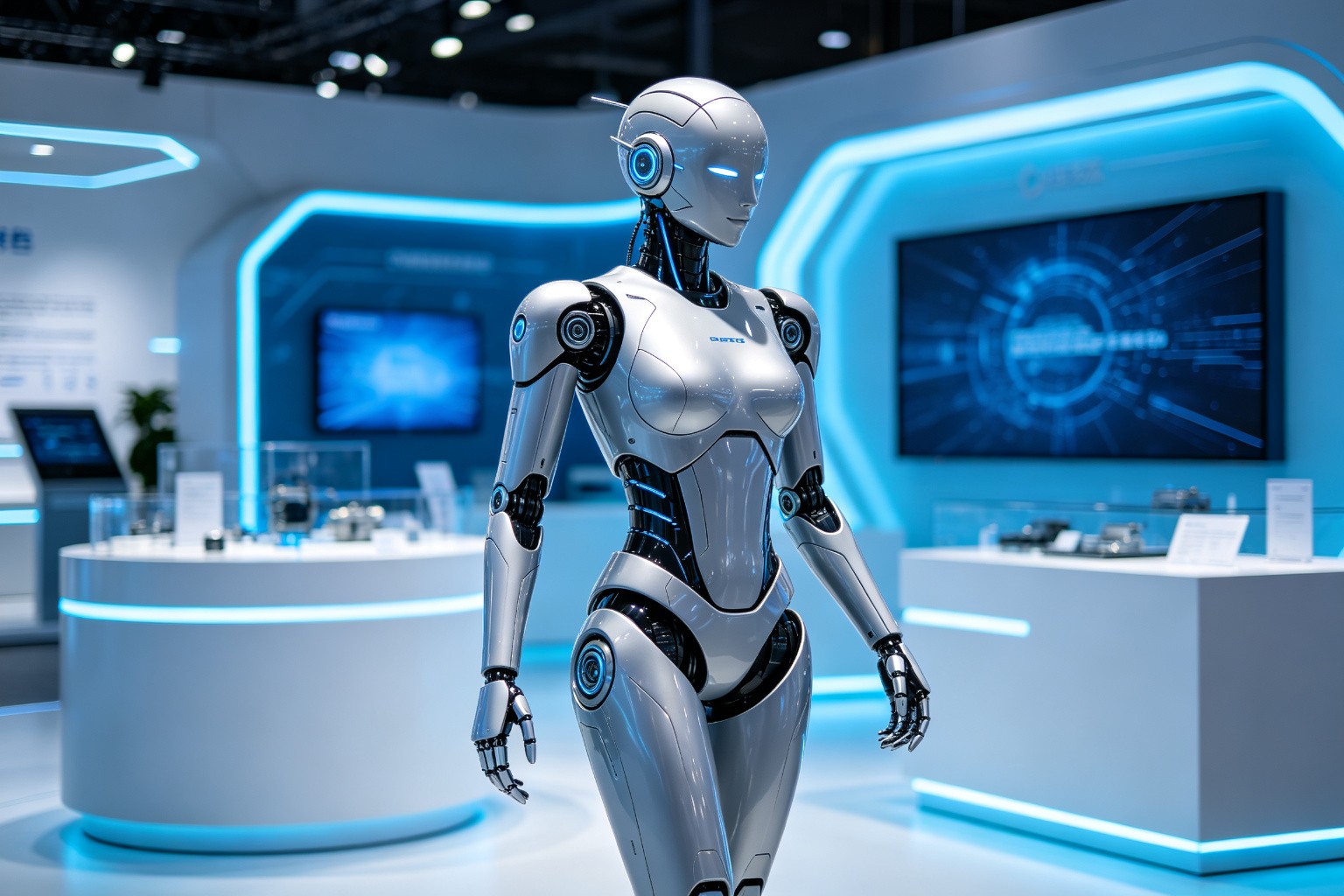
A notable shift at WAIC 2026 is the declining share of traditional standalone motors, drives, and encoders in exhibitor portfolios. Integrated joint modules have emerged as the core offering across all major servo manufacturers.
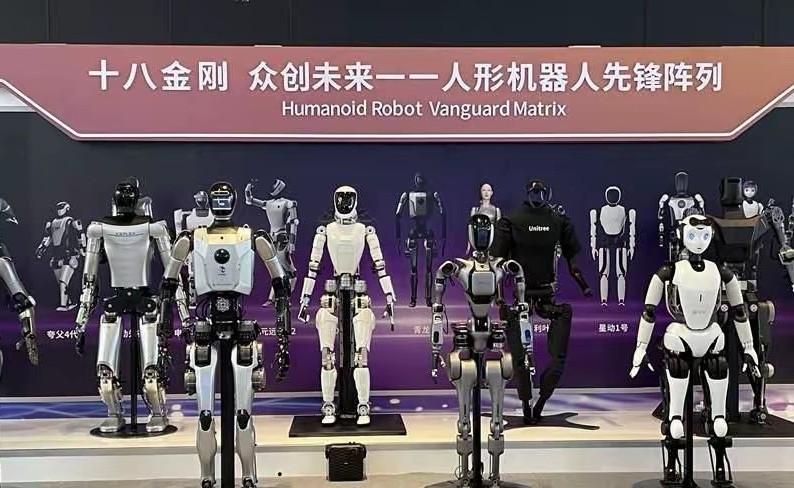
Inovance Technology, the domestic market leader in servo systems, introduced micro integrated servo modules specifically designed for humanoid robots. The solution integrates motor, encoder, and driver into a thumb-sized module — one-tenth the volume of traditional discrete configurations. Already in mass production supply, the product powers leading humanoid robot manufacturers including Unitree Robotics. Unlike industrial servo systems, humanoid robots require independent servo drive units for every joint, with per-unit servo consumption far exceeding traditional 6-axis industrial robots — placing extreme demands on size, weight, and power efficiency.
Leadshine Intelligent globally launched its PJ series planetary joint modules and DH116S five-finger dexterous hand at the conference, alongside the full product lineup including HJ series harmonic joint modules, FM series frameless torque motors, ECT series brushless coreless motors, and IEGD micro servo electric cylinders. The PJ series prioritizes transmission efficiency and reliability for high-load industrial scenarios, while the lightweight, highly integrated HJ series targets space-constrained humanoid robot joints.
Fuxing Motor's frameless torque motors reduce volume by 30–50% and weight by 20–40% compared to conventional motors, with customizable outer diameter, thickness, voltage, and winding parameters tailored to specific joint structures — enabling customized development for humanoid robot joints. Its planetary and harmonic integrated joint modules and linear modules cover the full spectrum of rotary and linear motion execution requirements.
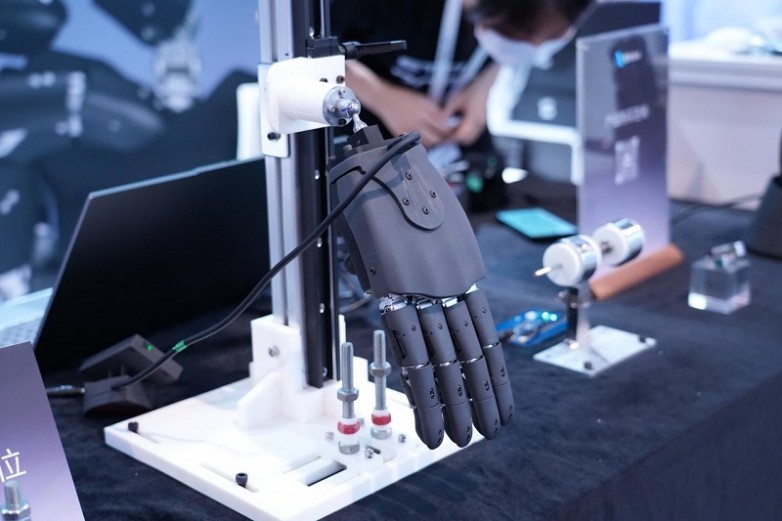
As humanoid robot manipulation capabilities advance, micro servo electric cylinders emerged as a new hotspot in the component exhibition area. As the core drive mechanism for dexterous finger movements, linear actuators directly determine the force control precision and response speed of fine manipulation tasks.
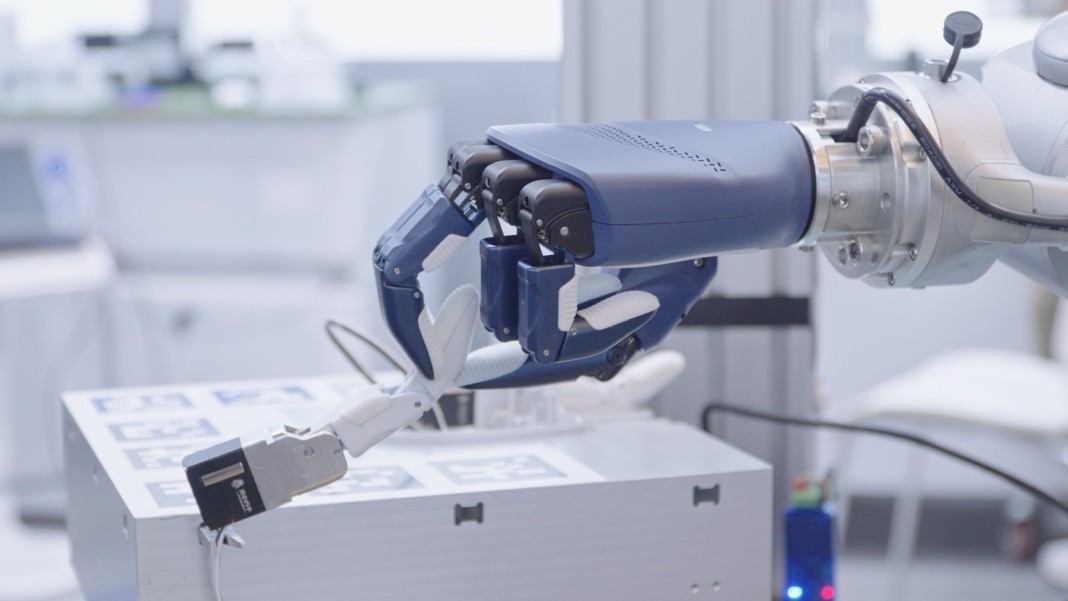
Wanna Robotics launched the Std16A industrial-grade dexterous hand, built upon its proprietary micro servo electric cylinder technology. This integrated linear actuator incorporates motor, reducer, screw drive mechanism, sensors, and closed-loop control system within a single unit, supporting multi-mode regulation including position, velocity, force control, and voltage. The high-performance coaxial series weighs as little as 31g with stall thrust up to 250N, repeatability of ±0.02mm, and rated load speed meeting continuous industrial operation standards.
Industry analysis indicates each dexterous hand finger typically requires 2–3 linear actuators, meaning a single humanoid robot may require dozens of micro servo systems for its hands alone. As precision requirements rise across industrial grasping, assembly, and service scenarios, the micro servo electric cylinder market will grow in tandem with humanoid robot mass production.
Beyond humanoid joints, wheeled mobile chassis servo systems represent another key focus area, with strong demand for highly integrated hub motors and steering wheel solutions across service and logistics embodied robots.
Kinco introduced the iSWV omnidirectional vertical steering wheel and iSML servo hub motor integrated modules, addressing core pain points in wheeled embodied chassis motion control. The core control system — comprising iWMC walking servo wheels, iGMK lifting modules, and iGMK rotation modules — supports compound motion requirements including walking, rotation, and lifting for mobile handling robots. In logistics warehousing and commercial service scenarios with large-scale deployment, wheeled servo solutions have already reached mature mass commercialization.
VEICHI Electric, together with Weidali and Yizhi Lingqiao, presented comprehensive core component solutions for embodied intelligent robots, covering the full drive-transmission-actuation chain. Leveraging accumulated expertise from industrial servo applications, domestic servo manufacturers are rapidly expanding into the embodied intelligence sector.
Industry data shows joint components account for nearly 60% of total humanoid robot costs, representing the primary bottleneck for mass production cost reduction. With simultaneous breakthroughs in domestic servos, reducers, and controllers, the overall localization rate of core components has surpassed 75%.
JAKA Robotics, drawing on over a decade of collaborative robot technology development, has developed self-designed high-torque joints achieving 85% domestic content — with fully autonomous control across drive, force control, and communication subsystems, eliminating dependence on overseas supply chains. Shanghai Electric exhibited a comprehensive matrix of self-developed core components covering all humanoid robot operating conditions, building a complete domestic support system from structural fasteners and transmission components to motion execution systems.
Wolong Electric Drive signed a strategic cooperation agreement with Shangwei New Materials during WAIC, focusing on customized production and precision assembly of core robot joint components, with ongoing optimization of mass production processes and product stability. Deep collaboration between upstream materials enterprises and motor manufacturers is further shortening the production ramp-up cycle for domestic joint solutions.
Three clear technology trajectories for domestic servo systems emerged from WAIC 2026 product roadmaps:
First, high power density and miniaturization. Novel structures including frameless torque motors and coreless motors continue to iterate, pursuing higher torque output and lower power consumption within constrained joint spaces to meet humanoid robot lightweighting and endurance requirements.
Second, force control and sensing integration. Next-generation servo drivers integrate force and tactile sensing interfaces, supporting current-loop force control, external force sensor closed-loop systems, and other modalities — enabling compliant control for precise manipulation in complex contact scenarios.
Third, scenario-specific customized development. Performance requirements vary significantly across applications: industrial scenarios prioritize load capacity and reliability, service scenarios emphasize noise levels and safety, while research scenarios value openness and secondary development capabilities. Leading manufacturers are shifting from standardized generic products to targeted joint solutions for specific verticals.
For overseas procurement teams and integrators, the rapid maturation of China's servo supply chain translates to more competitive cost structures and flexible customization services. As humanoid robot mass production accelerates, domestic servo motors and joint modules are positioned to become a core supply force in the global embodied intelligence value chain, supporting cost reduction and efficiency improvement across the worldwide robotics industry.
Sources: Company announcements at WAIC 2026, public industry data, supply chain research