Zhejiang Robot Industry Association
Zhejiang University Robotics Institute
Golden Conference & Exhibition Group
Hangzhou Wisdom Source Exhibition Co., Ltd.
Hangzhou Sequoia Exhibition Co., Ltd.
Ningbo Magnetic Materials Association
Humanoid robots have officially entered mass production cycle in 2026. Tesla 3rd-gen Optimus Gen3 is in full-scale ramp-up, with 70% of its hardware cost covered by Chinese local manufacturers. The Yangtze River Delta precision manufacturing cluster has formed a closed-loop complete supply system. This article sorts out core suppliers across Tesla Optimus Tier 0.5 integrated assemblies, precision transmission, servo motors, perception sensors and structural parts. It delivers targeted supply-demand matching references for humanoid robot manufacturers, global overseas buyers and component suppliers, facilitating efficient business negotiations at the exhibition.
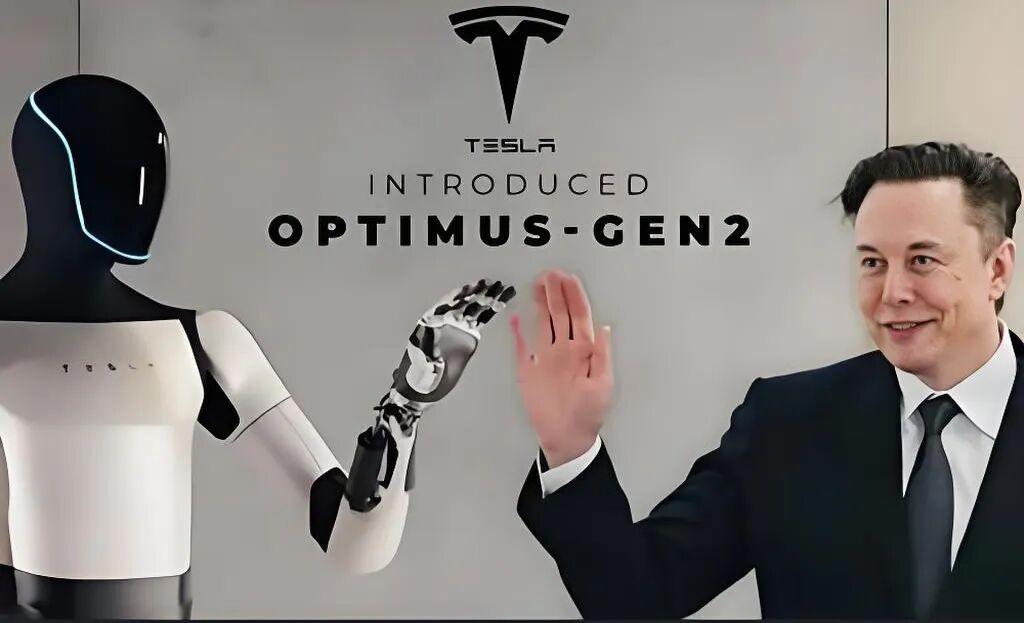
As Tesla Optimus Gen3 rolls out mass deliveries, the global humanoid robot industry faces a critical restructuring of supply chains. Statistics show 70% of Optimus hardware components are sourced domestically. Most suppliers extend robot businesses based on Tesla’s mature automotive supply chain, with overseas production bases built in Mexico and Thailand to support Tesla’s North American and global factories, becoming core suppliers for worldwide humanoid robot procurement.
1. Tier 0.5 Integrated Assembly Suppliers (Over 60% of Total BOM Value, Top Procurement Priority)
Enterprises at this tier directly cooperate with Tesla’s assembly plants and supply core joint assemblies. They hold the largest order volume and deepest strategic cooperation, top choices for OEM bulk purchasing:
Tuopu Group (601689): Exclusive global supplier of lower limb linear actuators for hip/knee/ankle joints and dexterous hand drive modules with self-developed planetary roller screws. Its components account for around 35% of Optimus total BOM value, with a RMB 4 billion long-term framework order secured. Dual production bases in Ningbo and Mexico deliver bulk Gen3 units starting July 2026, with production schedule covering until late 2027.
Sanhua Intelligent Control (002050): Exclusive Tier 1 supplier of 14 shoulder/elbow/wrist rotary joints for upper limbs, and full-body integrated liquid cooling modules for all joints (100% matching). It has secured RMB 5.4 billion mass production orders and launched a production base with one million joint sets annual capacity in Mexico, solving continuous overheating issues under high load. Single-unit matching value ranges from RMB 28,000 to 30,000.
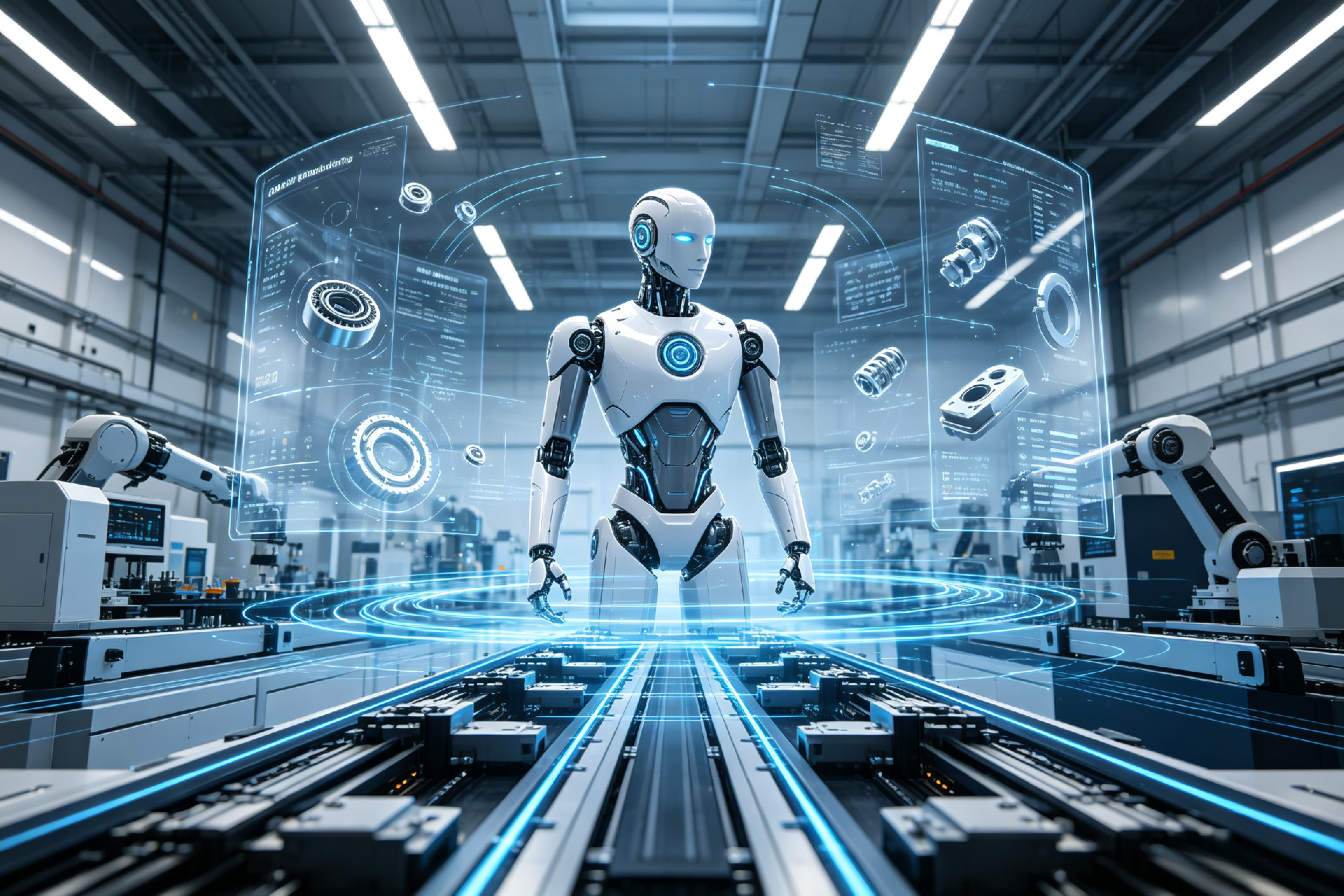
Reducers and planetary roller screws are key motion parts of humanoid robots, essential procurement products for domestic and overseas OEMs:
GreenHarmony (688017): The only Chinese harmonic reducer manufacturer fully certified by Tesla for mass production. Each Optimus robot carries 14 sets of light-load harmonic reducers. Its dedicated robot order exceeds RMB 800 million in 2026. The Mexico factory directly supplies North American production lines with capacity matching Tesla’s annual 25,000-unit plan.
Shuanghuan Driveline (002472): Its subsidiary Huandong Technology delivers harmonic reducers in small batches. RV reducers support heavy-load hip and waist joints, with a 500,000-set reducer manufacturing base under construction to fulfill long-term incremental orders.
Wuzhou Xinchun (603667): Mass production designated supplier by Tesla, providing leg/waist screws and miniature ball screws for dexterous hands (over 30 screws per robot). The company expands capacity to 980,000 sets via private placement, with a Thailand factory supporting overseas robot production lines.
Hengli Hydraulic: Screw samples passed verification and entered small-batch delivery. A 500,000-unit annual capacity is planned for 2027, cutting product cost by over 40% vs imported alternatives.
Miniature coreless motors and rare-earth permanent magnets determine robots’ fine manipulation performance, with multiple domestic manufacturers achieving mass designated supply:Munee Electric and Xinzhi Group are core suppliers of miniature coreless motors for dexterous hands, matching Optimus 22 degrees of freedom with mass shipments launched in 2026. Jinli Permanent Magnet supplies NdFeB magnets for servo motors, lowering cost by 25% compared with foreign rivals. Zhaowei Electromechanical’s micro gear transmission modules are under OEM verification.
Luxshare Precision: Exclusive supplier of MEMS flexible tactile sensors for Gen3 fingertips and full set precision structural parts for dexterous hands, holding mass orders for 20,000 dexterous hand assemblies with monthly capacity of 20,000 sets at dedicated Dongguan production lines.
Orbbec: Designated supplier of binocular 3D vision modules, around RMB 2,000 matching value per unit, with related orders breaking RMB 400 million in 2025.
Keli Sensing: Six-axis force/torque sensors completed sample verification for joint force feedback and walking balance control, listed as alternative supply chain vendors.
Lens Technology exclusively supplies 3D glass covers, torso/joint housings and grippers for dexterous hands, undertaking partial Gen3 assembly work. Xusheng Group delivers lightweight aluminum alloy die-cast housings in bulk, with North American die-casting plants serving local overseas factories. Coda Battery, Beite Technology and Zhejiang Rongtai provide battery structural parts, precision shafts and insulating thermal management materials respectively, completing the long-tail supporting supply chain.
All top suppliers listed above have entered Tesla’s mass production supply chain, featuring four core advantages suitable for global humanoid robot OEM procurement: stable mass delivery, localized overseas production capacity, cost competitiveness and mature automotive-grade quality control.
Cost reduction via domestic substitution: Transmission parts, motors, sensors and structural components cut comprehensive cost by 20%-40% vs imported products;
Global delivery layout: Leading manufacturers build factories in Mexico & Thailand to avoid long customs cycles and tariff costs;
One-stop integrated assembly solutions: Tier 0.5 suppliers deliver integrated joint assemblies to reduce OEM multi-vendor management cost;
Continuous capacity expansion: Massive million-set component capacity expansion matches the capacity boom of humanoid robots in the next three years.
For robot OEMs, global buyers and system integrators attending the exhibition, this supply chain list acts as a precise business matching guide. Buyers can quickly locate qualified domestic component manufacturers certified by Tesla mass production, shorten sample testing & certification cycles, and build independent, cost-effective humanoid robot supporting systems.
Industry analysts forecast 2026-2027 as the critical ramp-up period for humanoid robots. Tesla Optimus mass production volume will keep rising, bringing sufficient incremental order space for domestic supply chains. The Yangtze River Delta humanoid robot component cluster will keep improving. Manufacturers with integrated assembly capability, overseas production layout and full-category supporting capacity will continuously capture larger shares of global procurement market. The exhibition organizer will host special humanoid robot supply chain matching conferences to create face-to-face negotiation channels between global OEMs and Chinese component enterprises, accelerating localization and domestic upgrading of worldwide humanoid robot procurement supply chains.